Leaderboard
-
in Posts
- All areas
- Markers
- Marker Comments
- Marker Reviews
- Articles
- Article Comments
- Article Reviews
- Classfieds
- Classified Comments
- Classified Reviews
- Wiki's
- Wiki Comments
- Wiki Reviews
- Blog Entries
- Blog Comments
- Images
- Image Comments
- Image Reviews
- Albums
- Album Comments
- Album Reviews
- Files
- File Comments
- File Reviews
- Posts
-
Custom Date
-
All time
November 28 2011 - April 21 2026
-
Year
April 21 2025 - April 21 2026
-
Month
March 21 2026 - April 21 2026
-
Week
April 14 2026 - April 21 2026
-
Today
April 21 2026
-
Custom Date
07/05/2015 - 07/05/2015
-
All time
Popular Content
Showing content with the highest reputation on 07/05/2015 in Posts
-
9 points1st, this is proof that the Flamingo did follow me home from the Big Show. 2nd, I wanted to take a picture of the Afghan that Squonk won and gave to my wife Chris. Karen (kthack657) made and donated this to the raffle at the Big Show...which makes it that much more special. Thanks Karen and Mike. 3rd, the 876 that I picked up from SmokinJoe. It is sporting it's new choke cable, lift lever adjustment and flywheel / generator guard.
-
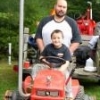
9 pointsFinally got one....on the 4th of July!! My 11 yr old boy was rather excited!! Thad
-
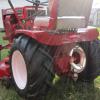
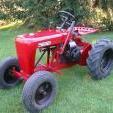
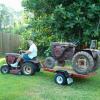
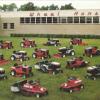
7 pointsGetting ready to load for Portage WI thought I would snap a few pics of the herd (not all were able to make it). Enjoy Thanks for looking Tom
-
5 pointsJust wanted to share a couple pics from a beautiful Western NY 4th of July weekend with the boys - n - girls of Red Square . Slipped the brush-cutter head on the old trimmer & hacked about 15 feet off the shoulder to park for next weeks ride . Foxglove is in full bloom ( way late this year ). Stopped for a break along one of the oil roads . Smile Rene'
-
4 pointsHey guys picked up these two little awesome tractors for my dad and I at the wheel horse show this year! What do you all think? And if you went to the wheel horse show this year what did everyone think about it?
-
4 pointsI agree with Ken on this. It is too bad for you that you couldn't score a good project, but the love of this herd is what keeps him going. I would hope he has a friend or two who will act on behalf of his estate to find new homes for them. We lost a member of our antique tractor club this spring and several of us have helped his widow sell them off slowly.
-
4 pointsIf the tractors keep the old timer happy that is what matters. I think the sad thing is the poor old guy needs to drag around an oxygen tank...I'd be willing to bet that when the times comes he has some good old buddies that will want his tractors...
-
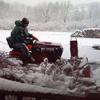
4 pointsFinally got the Bronco 14 running....the boys entered the 4th of July parade at MiTeJo Campground Milton,NH.
-
4 points
-
3 pointsWhile on our road trip Friday, we stopped at several yard sales and flea markets. While at a yard sale on ILL 1 near Oliver, Ill, I noticed some Wheel Horse tractors at the neighbors. I asked the yard sale people and they said the guy wouldn't sell them for anything. I went over and asked about the horses and the elderly gentleman (dragging his oxygen tank) said he "just collects them" and nothing was for sale. I got a few photos of the ones I saw outside, and was told the "better shape" ones were in the garage. It is sad the way these poor tractors will have a slow painful death! There were 2 more that I didn't get a picture of...1 was a "nut roaster"!
-
3 pointsLooks like you were camping on the hill this year. Very nice round hoods you found BTW. I was there...the show was fantastic, even with the Saturday rain.
-
2 pointsI just completed a hub conversion on my 312-8 with 520 front end. Being unable to find 520 front wheels, I decided to go with trailer hubs. I could not find a good write up on the swap, so I am posting this for anyone who wants to do this swap. All parts (minus tires) came to about $100, so the conversion is around the same price as a set of clean 520 rims. Parts List -Trailer Hub Kit, I bought this off Ebay From Elgin Trailer Parts, This includes 2X 1000lb 4 bolt trailer hubs, bearings, 1" x 1.25" seals, and dust caps. (Fits BT8 1" spindle) Cost- 57$ shipped -Wheels, I ordered 5-3/8 x 8 rims (standard for 400 series). A big benefit to trailer hubs is that they accommodate a wide variety of rims/tire sizes. These hubs use a 4 x 4" bolt circle. Cost- 32$ shipped -Spindle Washers, 1" x 1.5" flat washer, 14ga or 18ga. I bought these from lowes but These can be sourced anywhere. Qty 2 needed. -Hub End Washers, .75" x 1.25" flat washer, 14ga or 18ga. I bought these from lowes but These can be sourced anywhere. Qty 2 needed. -Bronze Sleeve Bearing, 1" ID x 1.25" OD x .5" Long, I bought these from Mcmaster-Carr P/N 6391K281 Qty 2 needed. -3/4-16 Slotted Lock Nut, Mine were missing. I bought these from Mcmaster-Carr P/N 95030A270, Qty 2 needed, Sold in 10 pack. Installation is straight forward. The pictures pretty much sum up the steps. The bearing need to be hand packed with grease before assembly. Install the inner bearing before inserting the seal. The hub nuts are not intended to be torques very hard. Just snug them up and install the correct size cotter pin. The hubs are very smooth and solid. I am very happy with the results. Thanks, -Justin
-
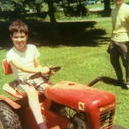
2 pointsStevasaurus's tricycle during the annual Boy Scout parade circa 1957, It was with a heavy heart that Steve sold his prized possession for his first Wheel Horse.
-
2 pointshaha yes I did camp on the hill this year. And thanks! These were the only 854's I seen there in good running shape. And yes the show was fantastic even with the rain! Going next year is a must! You must have missed my sons 854 at the show, it runs Primo... Nice Horse's...
-
2 pointsPost 'em up here... any picts to share of your 's flying the ol' RWB glory today.
-
2 pointsclub and 608 i would like to ask all of you with an onan twin cylinder to join the yahoo onan club. ( google it ) just say you want to join to learn how to work on your onan engine. the site has the P series parts and service manuals, as well as most of the other twin cylinder engines. then you can learn how to do it correctly. ( set valves, and torque ) thank you. boomer ( the used onan engine parts guy,also NOS and new )
-
2 points
-
2 points
-
2 pointshaha yes I did camp on the hill this year. And thanks! These were the only 854's I seen there in good running shape. And yes the show was fantastic even with the rain! Going next year is a must!
-
2 pointsHey Tom, which one holds the golf bag? I happen to have another horse on my trailer for you, and an engine...don't forget the license plat please. Nice herd Tom.
-
2 points
-
2 points
-
2 pointsEnough already... quit hogging the computer. Hard for me to get a post in these days.
-
2 points
-
2 pointsPrecisely why I got it Mike.... for, you know...that off brand guy next door.
-
2 points
-
1 pointThe wheat harvest was in full swing today in SC Pa. With 2 JD combines w/30' heads, 2 grain haulers, 2 balers, and several grain trucks. I know this is a small operation for you western guys, but this is a pretty big operation for the rolling hills of SC Pa.
-
1 pointWell this one is all done... was hoping to have it to the Big Show but decided to leave her home... maybe next year! If you watched the build... Thank you! The final vid is linked!
-
1 point
-
1 pointCool Beans. I got one of those little Travelocity gnomes too! Glad the Flaming Mingo made it home. I was worried it would end up in Dukes Snow Chucker! Glad Chris is enjoying the afghan and top notch paint job on the belt guard! Now all you need is the lighter! You can get one of those 12V heated seats for winter duty.
-
1 pointSteve, you cleaned up. Should have took a pic of the flamingo on the tractor. Earnin its keep. Glenn
-
1 pointIts starting to come together my 1054. Welded a New batterystand fiksed the tranny . Make a New spring for my hydro pump, sandblastering every pies and paint it With 2k akryl .paint from spies hecker.
-
1 point
-
1 pointThe seat has a split right along the top edge, the first time I sat on it I got a soggy back so I took the seat apart and set the squab out in the sun for a few days until the foam had dried. I treated the rust on the pan then set too on a quick fix of the split, I know up front it will not last forever but it will do for now. Pictures: 1) Wet split seat, yuck 2) In bits 3) Mastic tape for the inside of the split 4) Mastic tape cut to shape Once I had got the tape stuck in place I used a spray glue to reattach the foam to the seat skin. 5) Super glue used to stitch the outside of the split 6) Black gaffer tape over the top this extends right to the edge of the seat skin, under where the trim will hold it in place when I have repainted the pan. 7) A quick rub over with boot polish
-
1 pointI was only able to be there on Friday this year, But it was a great day. I am amazed how well the WHCC is able to organize this and make it successful under all condition. They really deserve our support.....If you are not a member already, please join. And those Church Ladies really make a good Beef Pot Pie.... The best part for me was to renew friendships with those I had met before and to finally meet those I had only conversed with on line. See Ya all next year.
-
1 point
-
1 pointThe mystery steering box from Chris turned up.early last week Thanks mate The mystery part turned out to be Austin A30/35, thanks for that Max if your reading this Getting the Pitman arm off the steering box is a whole story in it's self.. Involving a hub puller, zip ties and a huge amount of heat! Once the arm was off the splines the next challenge was getting a large nut off the shaft, this didn't quite go according to plan when the end of the threaded bit on the shaft sheered off right where the split pin holes are/were. As the shaft needs extending a little bit this wasn't a problem. So will it fit? with the aid of a pair of scissors this were looking good.. New and old steering box.. The box bit of the new one is certainly a bit smaller.. Trial fit time. The box is at the right height it just needs to go back a bit or there wouldn't be any room for the new Pitman arm to swing. To get the column up though the top of the dash I needed to make a hole a bit bigger, so I quickly spun up this bung on the lathe. It fit's like so.. The small hole is for the "drill bit" bit of the cutter to slot into. Letting the dash cool down halfway through the cut. The amount of swarf that came out was amazing! A big hole.. With a bit of the body mount sliced out.. And the bottom of the dash surround notched a bit.. The steering box ended up right where I wanted it.. The steering box mount taking shape. That should work well The mount has now had two captive bolts and one captive nut added.. Both ends have been boxed in and the welds cleaned up, I just forgot to take any photos of it.. Likewise I have made a start on shortening the steering column but also forgot to take any photos.. I'd best remember tomorrow
-
1 pointThanks Pullstart, your daughter has great taste in machines I think there is a long list of people wanting to have a drive at the couple of shows I'm taking WN to this year... Maybe I should start selling tickets Thanks dude. WN went back up on the bench something my back is very much regretting! Even though there were three of us lifting! So I spent that day doing some gentle paint stripping and knocking out a few dents on the front of the hood. I managed to get a bit more done the following day, the fender pan this time. as you can see the fender pan does not quite reach the foot plates! Some more recycling, this was part of a Spear and Jackson sign. Two plates tacked on.. Both sides done and on the bench to be fully welded. As you can see a little trimming of length is needed.. The new metal on the front of the fender pan has now been fully welded up, mostly shaped and the welds ground down.. Just in need of a splash of red oxide in these photo's. .
-
1 pointOven cleaner works good to clean heads.I have used Super Clean purple with good results as well.Not sure about the piston tops other than light scraping. Luck.JAinVA
-
1 point
-
1 point
-
1 pointFor everyday use I find a combination of MMO and Marine Stai-Bil in my fuel mixed per manufacture recommendations works well. My C-105 always amazes me with how it turns over on the first crank! I do find it handy though to have a can of Seafoam and a can of spray Seafoam on the shelf for different situatiuons.
-
1 pointNo opinion either way here due to the fact I'm a MMO guy. Two or two and a half ounces added to five gallons of non-ethanol gasoline is the way to go for me!
-
1 pointAt the show we walked around and took a few pictures of custom/modified Wheel Horses, what we looked for mainly is what need/ reason was this machine built by the owner. Now keep in mind that a "custom built" Wheel Horse could just mean the owner added two cup holders but I think what Eldon and others would like to do is build a custom/modified Wheel Horse that can do a special work task that a stock Wheel Horse could not do. Some of the "rat rod" Wheel Horses are neat and well built this can be easy to due being that one can bolt any part to the frame . My Mighty Lawn Ranger Six Speed was built to have the extra gears to get the most amount of work from the 6hp Tecumseh engine and the rear axle brakes were added so the tractor would not spin the rear wheels while working in the culvert in my front yard. The 1/2 Wheel Horse Lawn Ranger I built was for driving around the Portland, IN, by welding two frames together I could haul parts and people at the same time in the show grounds. On another note the put together/ scrap parts Wheel Horse could be done but even then time is an issue. Years ago I gave two brothers a (I think it was a Raider 10) a running Wheel Horse, drove it off the trailer Friday night took it all apart, cleaned it, painted it and put the tractor back together (running and tuned) by Sunday night. .......... it's more parts then you think. I do love my restored Wheel Horses but I'm a hot rodder at heart and like the custom/modified Wheel Horses too. It will be interesting to see just what shows up at the 2016 Wheel Horse Show
-
1 pointThat deck is made for a Vertical shaft engine and is EASILY converted to a typical tach-o-matic setup for the C-101 or others with horizontal engines....I know as I have done this a few times: 1) remove the stack pulley, pinch pulley (near the fron center) and the 'L' shape deck hanger in the rear center. 2) Using a Sawzall, trim the from anti-scalp BRACKET evenly with the top of the deck (so it doesn't interfere with the lift hardware.) 3) procure a 2-belt center pulley... I HAVE A NEW ONE TO FIT. Also hgave a good use center pulley 4) You'll need the deck belt too....I also have it. 5)The deck is pre-drilled to accommodate the Tach-o-Matic lift hardware. I have ALL that lift hdwe too if you need it. Pics are easier than words.
-
1 point
-
1 point
-
1 pointIt's a ....mini airboat? ..... a very short tree stand? Nah... just a horse roof, upside down, gettin some finishing touches ...Off to the sunbrella babe this afternoon ... now take a few days off and sit with Mom!!
-
1 pointI have been using those HF guns for years now and never had a bad one yet. I have painted everything from full sized farm tractors to short frame WH's and they turn out just as nice as most I've seen. I really don't think the gun is as important as the rest of the process of painting. The prep work is what makes or breaks a paint job but the paint you use makes a BIG difference. Painting with a gun takes some practice and will always look better than spray bombs.
-
1 pointAs restoration quality and New Old-Stock (NOS) Wheel Horse Dash Panels are harder to come by, it becomes necessary to restore what you have rather than replace the part entirely. This page is dedicated specifically to the restoration of an otherwise "good condition" dash panel that has been time-weathered, and return it to its original luster. The following process can be used (with little variation) on any parts made of vinyl, plastic, PVC, cloth, leather, or rubber. This includes items such as; shift handles, height adjusters and belt tension knobs, steering wheels, wheel caps, seats, plastic handles, hood latches, etc. The VHT line of products is extensively used in the automotive/aircraft restoration worlds for returning anything made of these materials back to near original appearance. See more details concerning VHT Vinyl Dye products at this website: http://www.vhtpaint.com TOOLS REQUIRED: 1. Small bristle brush and Dawn Dish Detergent 2. 1/8" Metal punch and heating source (if making repairs) 3. 800 grit Wet/Dry Sand Paper 4. 0000 (fine) Steel Wool 5. Brake Fluid 6. Paper Towels 7. VHT Vinyl Dye, Gloss Jet Black (p/n: SP941) 8. Elmer's "Painter's" Opaque Paint Marker (fine and wide tip, WHITE) 9. Exact-O Knife, Dental Picks and Toothpicks PAINTING TECHNIQUE: The white borders, letters, and symbols on the dash panels were originally manufactured using a screen printing technique. Since reproducing this technique is far more difficult for the "home restorer", this relatively easy method is presented to mimic the original process. The technique I use is pretty straight forward and quite simple to do. The most important thing to keep in mind is that you are NOT trying to completely cover the black dye color (underneath the white paint) in a single pass. What you ARE trying to do is build-up multiple, very thin layers of paint (usually two or three), until the white completely masks the black underneath and you are left with sharp, crisp edges and an overall opaque paint coverage of these raised dash panel details. The second most important aspect is to insure your panel is well supported (i.e. will not move during the painting process) while the heel of you painting hand is firmly planted on the work surface as you apply paint. This will insure the steadiest hand, and you will therefore have better control of the paint marker tip and where it touches while you apply the paint. Of third importance, as in any paint application process, starting off with a well prepared surface ALWAYS results in a higher quality final appearance. Complete and thorough cleaning, drying, repairs, and re-cleaning are all painstaking and necessary steps, before applying any dye or paint to the surface. The instructions below go into greater detail where necessary, and if followed closely will result in a "better than new" looking part for your tractor restoration. When painting with the white paint markers, insure the tip is about as wet as when using an artists "dry-brush" technique before touching it to the part. Apply the paint so it thinly "flows" over the surface, and use a paper towel to keep the tip "almost dry" of wet, runny paint between individual characters on the plate. Apply the paint with a very light touch in single passes only. Don't cover any more than a single pass at a time, building layer thickness with each additional coat. As always, follow the package directions for all of the products used in this process. Step 1: Thoroughly Clean the Dash Panel The entire dash panel should be thoroughly cleaned of all dirt, grease, oil, and old marking paint on all sides. Brake Fluid is a good paint and marking ink softener, but care must be taken to insure the brake fluid does not "melt" the plastic. I normally test the Brake Fluid method on the back of part, or on an surface which will not be seen when the part is installed, to insure the brake fluid will not attack the plastic. Use the brake fluid sparingly to "loosen" any foreign materials (paint, ink, or hard stains) from the surfaces. Then with a combination of 0000 steel wool (try not to scratch the plastic), gentry scraping using the edge of an exact-o knife, and/or dental picks and tooth picks, you can easily remove the unwanted debris. Once all of the foreign matter is removed, the plate should be thoroughly scrubbed with a small plastic bristle brush and Dawn Dish detergent. This will remove any remaining oil and dirt from the plate, the corners, and the edges. Rinse with warm water and allow the piece to thoroughly dry before continuing. Once it is completely cleaned it should look like the image below. Step 2: Repair Surface Blemishes This is the tricky part. If any face blemishes exist you need to make a choice whether to make the repair or leaving it as-is. Obviously, starting with a high quality, unblemished panel is more desirable, you may not have a choice. Repairing any surface issue may only result in a far worse appearance than leaving it alone. Choose wisely based on your abilities. Only one surface blemish was corrected on this example, the second blemish ("wiggle" in Electric Clutch "OFF" arrow-bracket) was left alone as it was too dangerous to attempt repair without further damage. The right side of the "N" was smashed down and the right "leg" of the "N" was partially split in two. A small round punch was used to "re-form" the letters edge by heating the punch tip to just below the melt point of the plastic, and "pushing" the letter back into shape. The split essentially closed up and re-bonded to the adjacent part. Care must be taken to not overheat the punch as you do not want to melt the plastic, only make it soft so it will "move". Once repairs are completed, re-clean the part as you did in Step 1. Step 3: Restore Plastic Color and Shine Many products exist to restore vinyl and plastic to their original luster. VHT produces a vinyl dye in several colors and the product is NOT A PAINT! It truly is a dye designed for vinyl. The product comes in Gloss and Flat finishes, but I prefer the look of the gloss, as it appears more like a new part than does the flat finished dye. VHT Vinyl Dye Gloss Jet Black (p/n: SP941) in the 11 oz. aerosol was used to treat this Dash Panel. The panel should only require a single, light coat to restore it to original appearance. NOTE: Allow the dye to absorb and surface-dry at least 4 hours before proceeding to painting white. Step 4: Apply First Coat of White Paint Applying the white paint is rather easy, but does require a little technique and a steady hand. For this step I have used Elmer's "Painter's" Opaque Paint Markers. They come in several tip-sizes (fine point and wide used here) and is composed of an opaque acrylic paint. The acrylic paint bonds very well to the dyed plastic, and holds up to temperature and the elements quite well too. LARGE PANEL DETAILS: Using the wide tip, very lightly cover the large borders with a single pass, DO NOT go over them a second time as doing so will leave "brush marks" in the paint. The result should be an almost see-through appearance in the white paint. Several coats will be necessary, so if the black shows through, leave it alone. Also, "paint" any large details on the face area; such as the choke symbol, large letters, rabbit and turtle; using the wide tip paint marker. SMALL PANEL DETAILS: As before, you are applying a very thin coat, so make sure the marker tip is almost dry (as in dry brushing) and apply only a very thin coat on the first pass. Using the fine tip marker for lettering and small details; use a patting (tapping) technique to apply paint to the tops of the letters. Begin at one end of the letter and overlap your taps, moving toward the other end of the letter. Don't wipe the paint on, PAT it on! Especially at the ends of the letters. This keeps the paint from "rolling over" the edges of the raised detail, and it should almost pool on the top of the surface on subsequent passes. NOTE: Notice the black showing through the white in the image below. Keep the first coat of paint VERY, VERY light. Step 5: Apply Additional Coats of White Paint ALLOW AT LEAST 4 HOURS BETWEEN COATS The application of paint continues as described in step 4 until all of the painted areas are completely opaque and covered well. This is normally accomplished in two to three coats. If you have blotchy or spotty coverage you can use 800 grit wet-dry sand paper to lightly sand the white faces to even the paint coverage, then apply a final top coat after cleaning the part. Make sure you allow the paint to dry thoroughly before sanding, and re-clean the part before applying the next coat of paint. Make sure all surfaces are evenly covered without brush strokes. The image below shows good coverage with very little over-painting. Some letters and small details will need to be scraped and cleaned up prior to applying the last coat of white paint. Step 6: Finishing Up The final step in the process is to clean up any mistakes or over-painting. This step is normally done BEFORE the last coat of white paint is applied, so that any scrape marks or edges can be covered on the final pass. I normally use dental picks, tooth picks and/or the tip of an exact-o knife to clean any edges which were over-painted or where paint has been errantly deposited between letter lines. Any over-paint on the panels surface can be covered up by spraying some of the VHT dye into a small cup and using a fine tipped artists brush to "dry-brush" the paint drip into oblivion. When the entire piece has dried for a full 24 hours you can then buff the entire surface with a wadded-up piece of regular kitchen paper towel. The paper towel is course enough to remove any dust which may have settled on the details, polish the faces, and burnish the letter and detail edges; resulting in a truly polished and natural look to the piece. The completed piece will now be "show-ready" and look like the images below. Thanks goes out to RMaynard for the use of his B-80 dash panel in the creation of this diatribe. Bob mentioned somewhere on this board that he was looking for an NOS panel for his B-80 restoration, that he had an old usable one in-hand, but did not like its appearance for his restoration. I offered to restore his old panel for this tutorial, and perhaps he will use it on his B-80 should he not find another. Hope you enjoy the tutorial, and Bob, Thank You for allowing me to use your panel for this example.
-
Newsletter